Data-driven nexus for sustainable building design
EcoBUILD - the largest evidence-based, open-access and open-source information platform focusing on ecological benefits of design strategies. More about our research at Utrecht University.
Research Framework
Life on Earth is sustained by and depends on the provisioning of ecosystems services (ESs) like food, fresh water, and energy. Anthropogenic pollution and climate change negatively affect the functioning of ecosystems. Consequences are loss of habitat and biodiversity as well as a reduced generation of ESs. All of this has a knock-on effect on human health and wellbeing. To counteract these issues, governments as well as companies and individuals increasingly aim to contribute to regenerative developments.
As cities densify, there is less capacity to derive all ecosystem services from urban green and blue spaces. This is a reason why buildings and infrastructure must begin to generate ecosystem services.
Ecosystem services can be generated through sustainable building design.
Naturally, ecosystem services are generated by functional biological ecosystems.
Ecosystems are defined as dynamic and complex systems consisting of plant, animal and microorganism communities as well as the nonliving environment, all of which interact as a functional unit. This definition integrates humans and can also imply that buildings or any other nonliving structure from the anthropogenic environment are parts of ecosystems. Human and ecosystem health are interdependent. When seeing buildings as integral parts of ecosystems, they require to become functional units and interact with the other functional units or elements of the ecosystem. Within a functional unit, all elements consume and produce resources. Resources are exchanged and energy flows are maintained. Therefore, buildings can be seen as potential contributors to the overall ecosystem health by generating ESs. In order to design the human-engineered system as a part of the local biological ecosystem, its elements require to equally contribute to the generation of ESs. As buildings are one of the largest consumers of energy and resources in the anthropogenic system, their contribution to the local biological ecosystem has to cover or even exceed their consumption in order to maintain a functioning system.
The Proposal for EcoBUILD
This project aims to develop an evidence-based information platform focusing on ecological benefits of design strategies. The platform will link existing building design solutions to their measured benefits, represented as ecosystem services (ESs), and so empower users to take informed decisions for the development of regenerative buildings.
The platform seeks to serve:
- Built environment professionals to make informed and evidence-based decisions for sustainable design
- Researchers to identify knowledge gaps
- Policy makers to formulate ambitious but feasible key performance indicators
- Educators for inspiration
Therefore, the platform will become a collaborative knowledge space that bridges research, policy, and practice, fostering innovation and co-creating for healthy, inclusive, and future-proof urban development.
To provide a thorough overview of existing solutions, various types of sustainable building design strategies, including mechanical, nature-based or hybrid, such as vertical greenery systems, water filters or solar panels, will be collected on the platform.
Furthermore, the project will analyze how to identify relevant building design, for instance based on climate zones, building types or the quantity and type of generated ecological benefits.
The platforms aims to motivate developers for sustainable thinking and practice and inspired to design buildings as socio-ecological systems that not only consume but also generate ESs, fostering circular and regenerative anthropogenic systems in urban environments.
Design Strategies
A design strategy for a building is a deliberate intervention or set of interventions implemented to achieve specific functional, environmental, social, or economic objectives. It can include both overarching design approaches and concrete measures such as solar panels, green walls, or water filtration systems when they are intentionally applied to meet defined performance goals.
A sustainable design strategy specifically refers to those interventions that generate ecosystem services, aim to reduce environmental impact, enhance resource efficiency, and contribute positively to ecological and social systems across the building’s life cycle.
Sustainable design strategies connect overarching objectives with spatial organization, material choices, technical systems, and performance targets.
Below you can browse through a few examples of sustainable building design strategies.
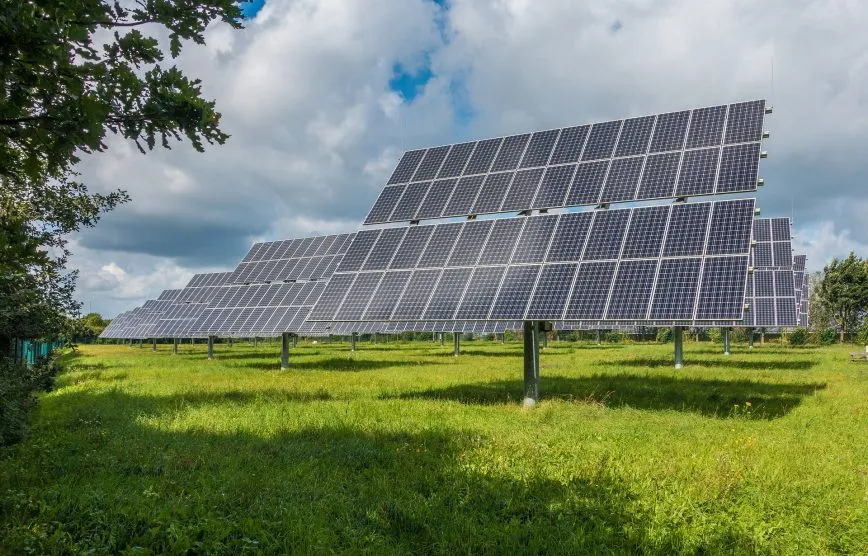
Solar Panels
Solar panels are comprised of smaller units called photovoltaic cells which convert sunlight into electricity.
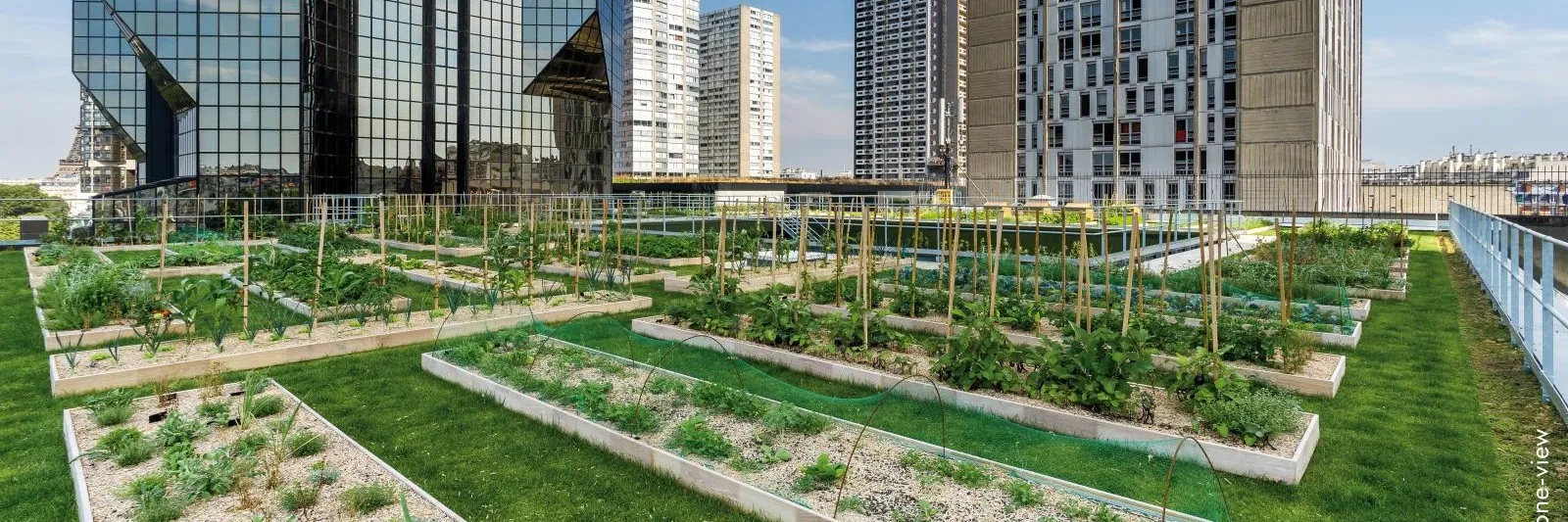
Rooftop Gardens
Vegetable or fruit gardens on the flat roof area of a building.
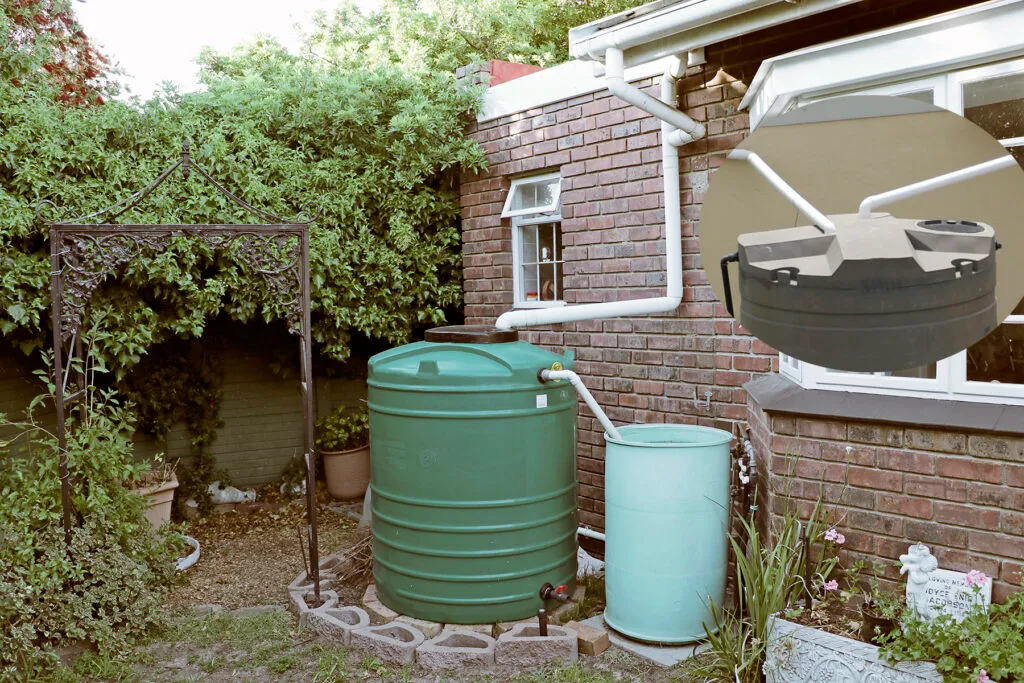
Rainwater Harvesting
Collecting rainwater from surfaces and storing it in systems like cisterns for later use.
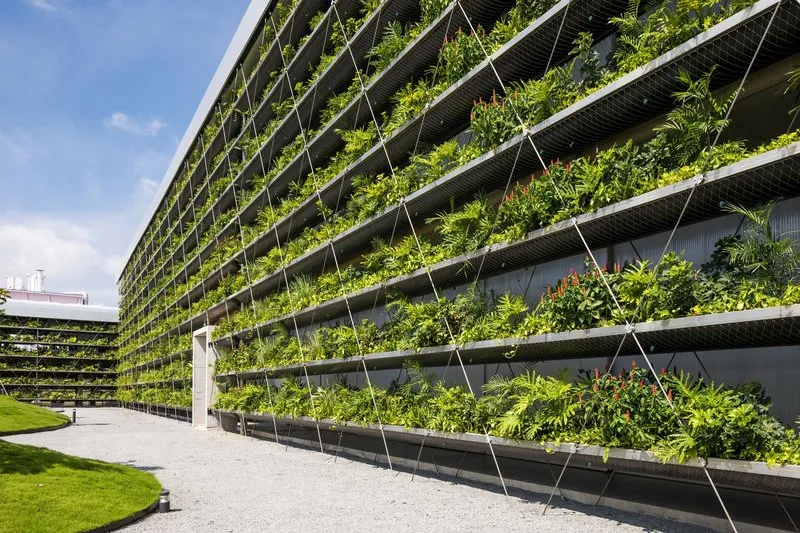
Green Walls
Addition of vegetation, generally climbing plants, to a building's facade.
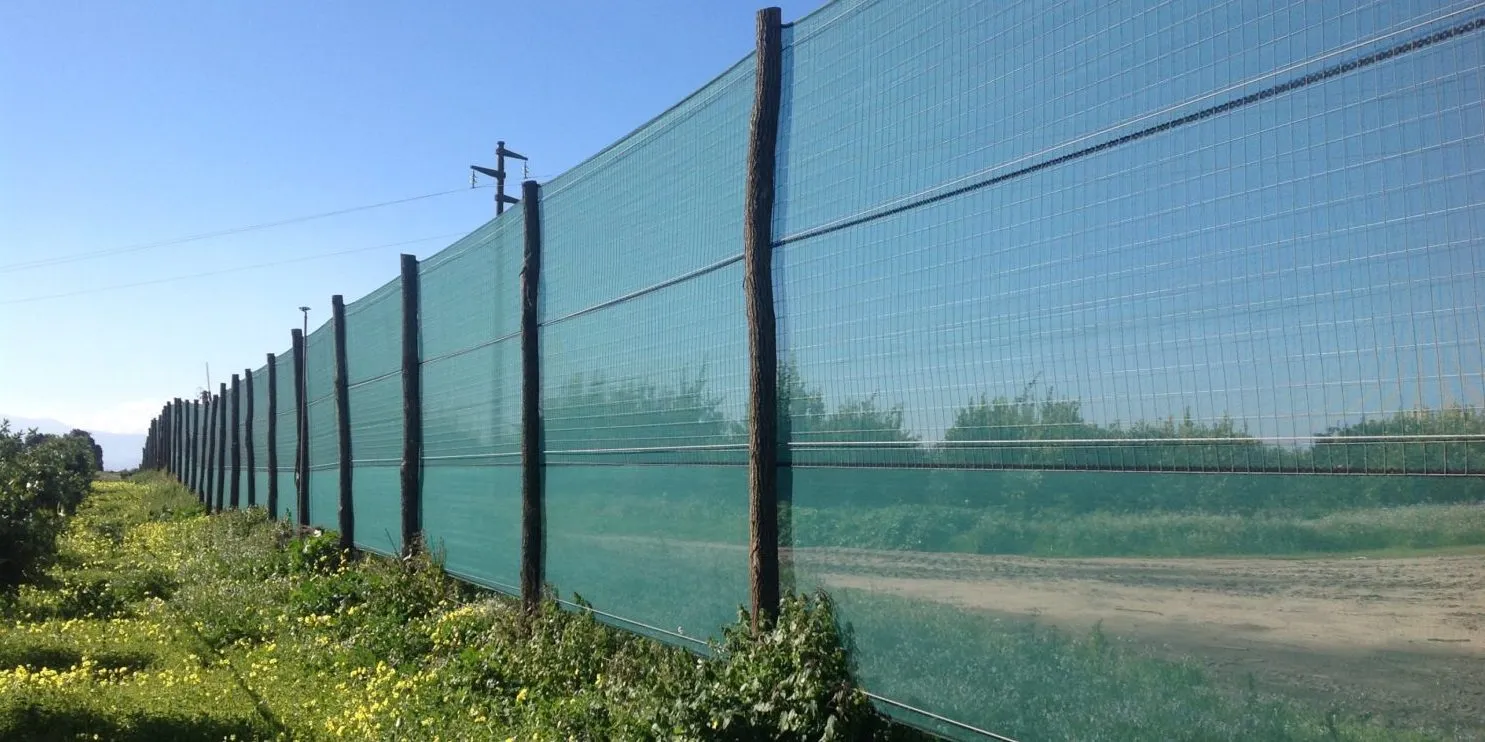
Wind Barriers
Natural or artificial structures, such as trees or walls that protect a specific area from wind.
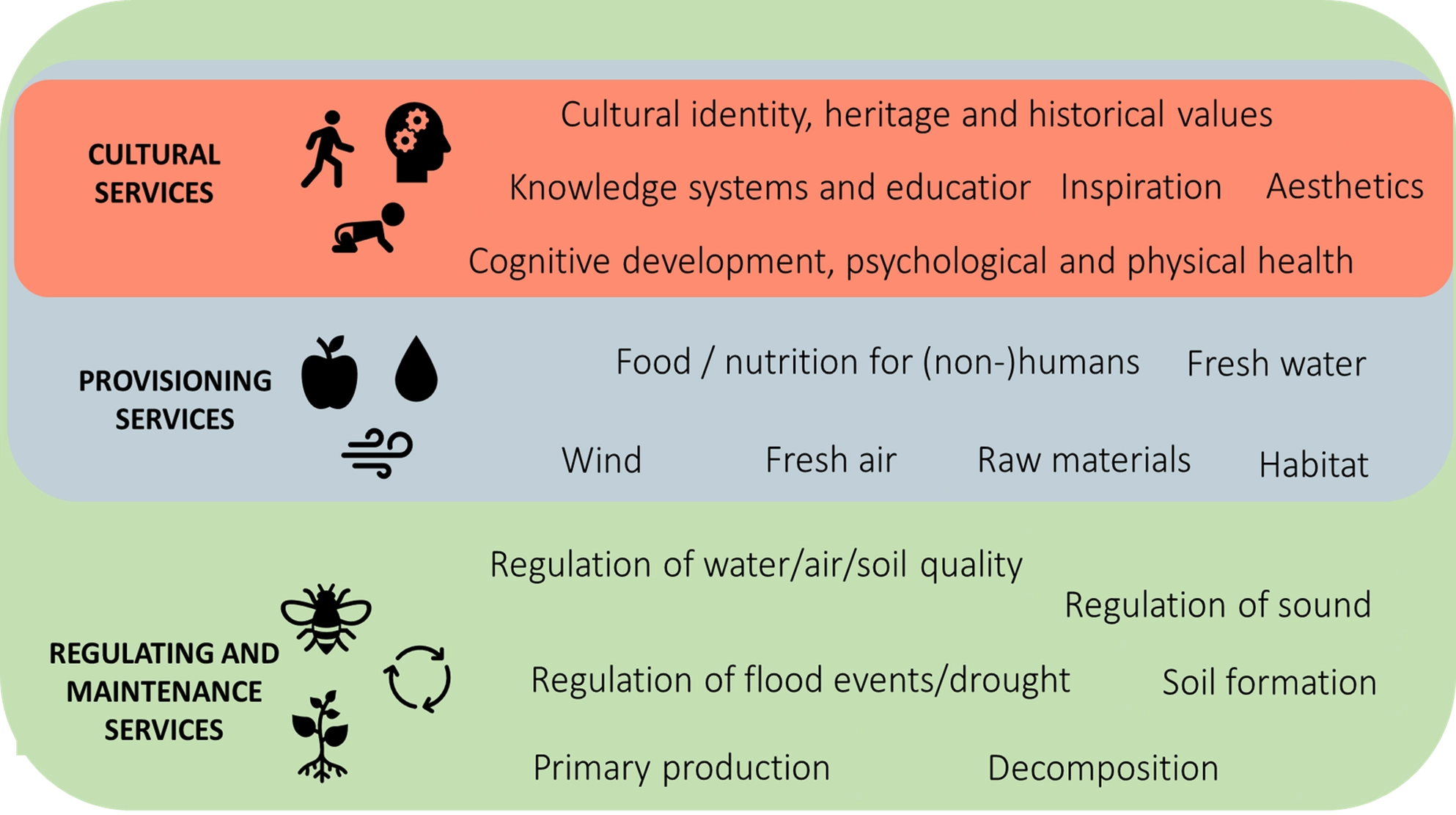
Ecosystem Services
Ecosystem services are the benefits that humans and all living organisms derive, either directly or indirectly from the functions of ecosystems (source).
ESs are categorized in regulation and maintenance services as well as provisioning services and cultural services. The regulation and maintenance services represent ecological processes such as nutrient cycling and regulation of soil, water and air quality. Provisioning services are the material benefits that are generated by ecological processes (e.g. food, fresh water, and energy), while the cultural services are immaterial benefits that result from the ecosystems (e.g. relaxation and well-being).
Buildings have the opportunity to generate ecosystem services through targeted design strategies. By integrating regulation and maintenance services in buildings, provisioning and cultural services can be generated.
Case Studies
Building case studies in this research context are documented examples of real buildings or built environments that have implemented specific sustainable or ecosystem-service-oriented design strategies, technologies, or configurations. They serve as empirical evidence of how design strategies perform in practice and how they contribute to ecological, social, and functional outcomes, for example, generating ecosystem services like energy generation, water quality regulation, temperature regulation, or habitat provision.
Case studies are used to illustrate and connect design strategies and ecosystem services, helping professionals translate ecological concepts into practice. Case studies can provide measured data and documented performance that can be linked to specific design strategies on an evidence platform to inform future projects and decision-making.
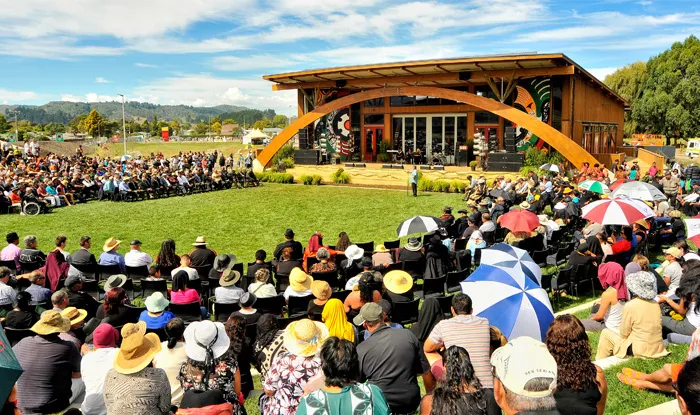
Te Kura Whare
Taneatua, NZ
A living building that serves as a community hub and demonstrates indigenous sustainable values.
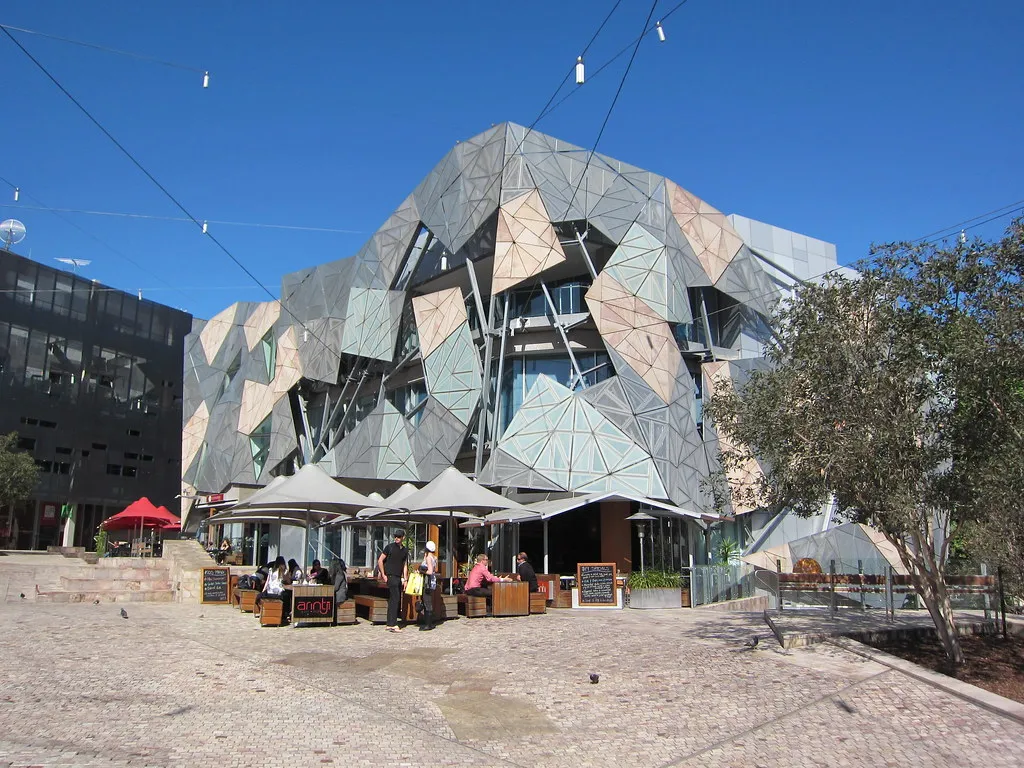
Federation Square
Melbourne, AU
A sustainable urban precinct featuring advanced thermal energy storage and passive cooling systems.
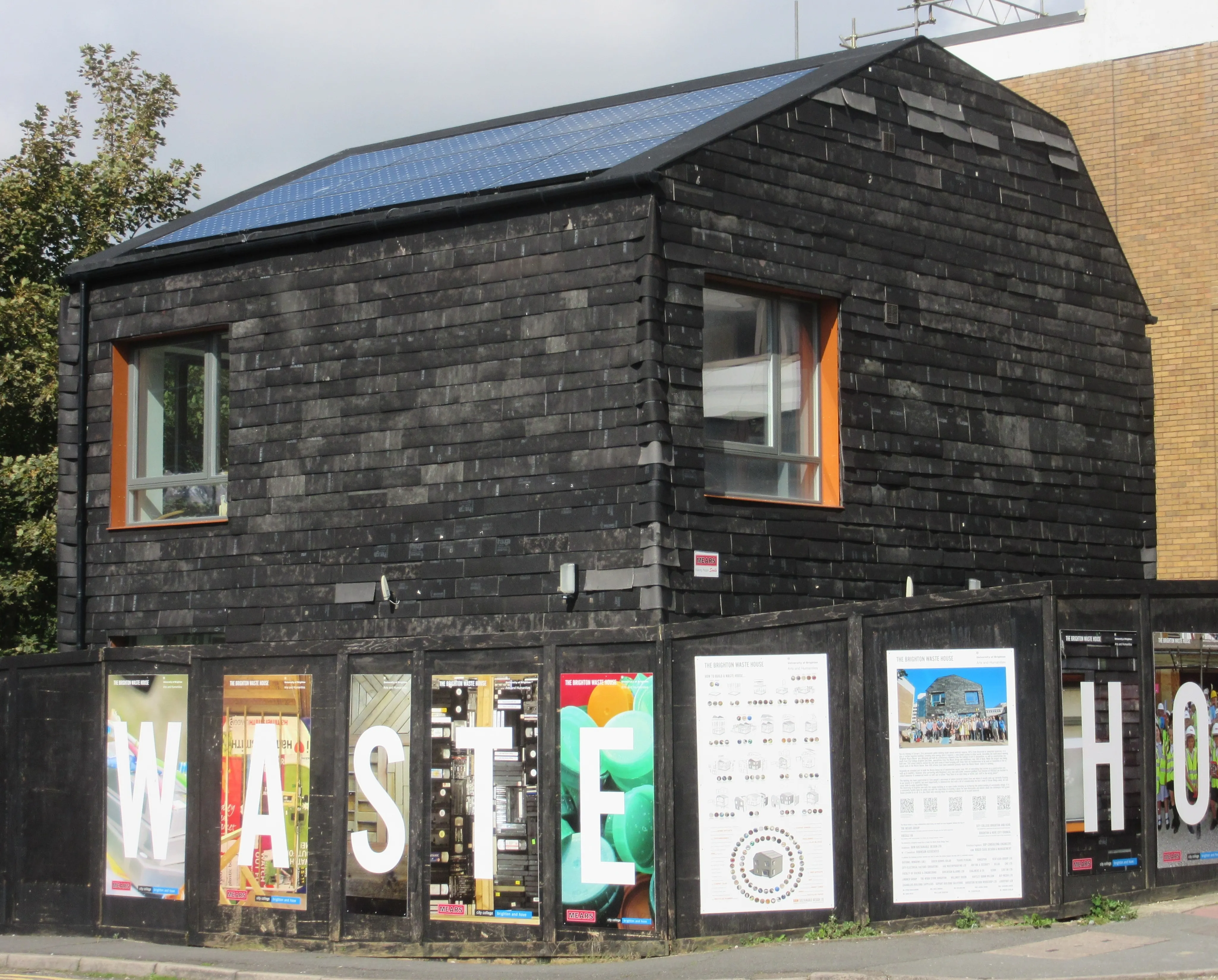
The Waste House
Brighton, UK
The UK's first permanent public building made almost entirely from thrown-away materials.
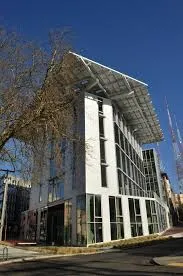
Bullitt Centre
Seattle, USA
Often called the greenest commercial building in the world, energy and water neutral.
Our Partners
Henning Larsen
Working across architecture, landscape, and urbanism, we co-create and innovate – cultivating desirable futures through our designs.

Paul de Ruiter Architects
We believe in the future. Since the foundation of our practice in 1994 we work on sustainable, innovative architecture that focuses on the health and happiness of people. Sustainable technology and aesthetics go hand in hand. After all, appreciating the beauty of buildings is just as important as energy efficiency or the health of an indoor climate.


Nuluca
nuLUCA transforms nature's brilliant adaptations into a comprehensive toolkit for innovation.

REDLab - Regenerative Ecologies Design Lab
The Regenerative Ecologies Design Lab is a research hub of postgraduate and intern work related to and supervised by Associate Professor Maibritt Pedersen Zari.

Sharing Nature's Genius
Sharing Nature’s Genius has a searchable library of Nature’s Design Lesson reports that contains an ever-expanding curation of translated biological strategies, mechanisms, and design lessons.
TERRALUPA
A life-aligned design collective: shaping spaces, systems & stories that reconnect land, people, & the more-than-human.