Data Storage
What
When discussing storage, we refer to the location of ‘active’ data, which is in use and may change throughout the research project. The related concepts of archiving and publishing refer to where the data will be saved or deposited after the project is completed.
Why
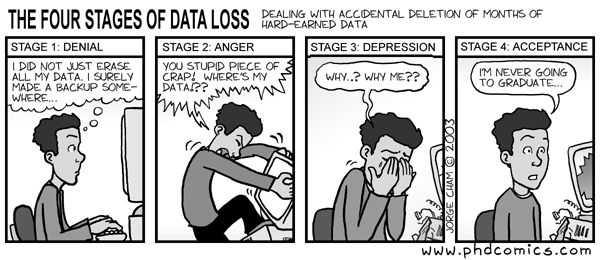
Storing data properly ensures that research can be conducted efficiently, prevents data loss, and maintains the integrity and reproducibility of results. Well-managed storage supports collaboration, version control, and easy retrieval of files during the project.
Who
When planning data storage, consider collaboration with other researchers. Decisions about who will access the data and how often it will be shared affect both where the data is stored and how it is organized, backed up, and structured.
When
A decision about data storage needs to be taken at the onset of the project. From that point, data should be stored securely and include regular backups to prevent loss or accidental overwriting.
Where
The Data Storage Finder is a tool provided by IT help you decide which storage solution would be most suited to your needs. The suggestions are based on factors such as collaboration, size, sensitivity, and (ease of) access.
How
When storing data, consider the following:
- choose storage media that is appropriate for the type of data you’re working with
- ensure reliable version control and backups
- follow a naming convention
- structure folders and organize files clearly
- use preferred and sustainable file formats
- secure data files, using access control and/or encryption